Marine Biodiversity Projects

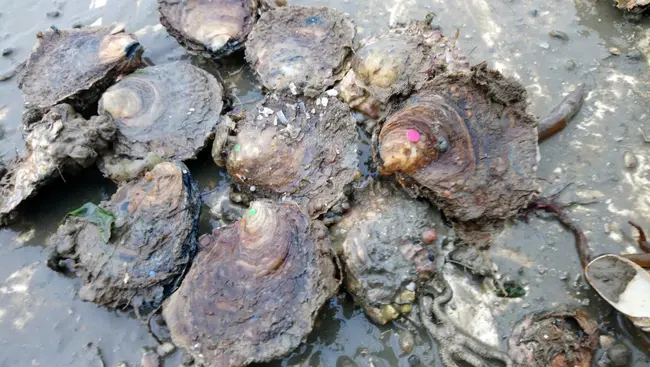
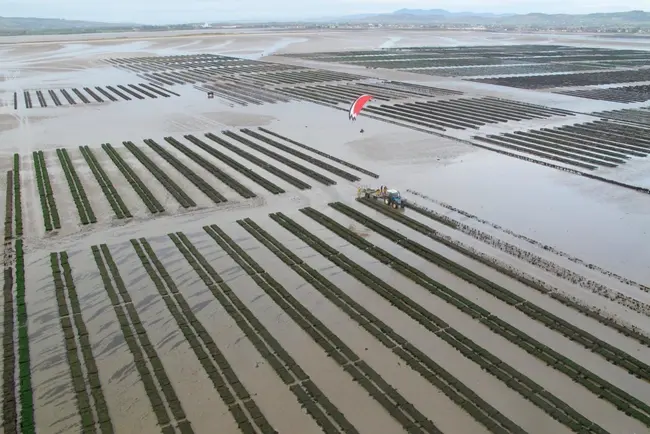
Mapping the distribution of the Pacific oyster, Magallana gigas in Ireland.

This project will determine the current status of recruitment of the Pacific oysters in Ireland and identify certain conditions that favours successful establishment of the species in a number of SPAs as dictated by the Aquaculture and Foreshore Management Division of DAFM and make recommendations in relation to subsequent licensing and management of aquaculture activities in the sites.
Project Status:
Ongoing

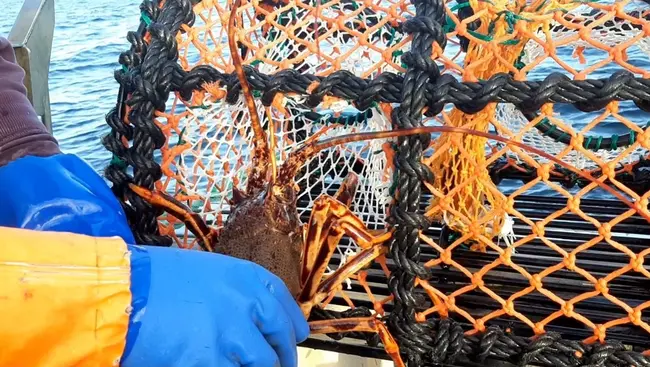
Management of the crayfish fishery to protect critically endangered species

This project supports the conservation of critically endangered sharks and skates in Ireland's southwest waters while improving the sustainability of inshore fisheries. Working closely with fishers, it will monitor marine biodiversity, assess crayfish stocks, trial low-impact fishing methods, and develop practical solutions to reduce bycatch of protected species.

Mollusc shell structure and morphology as an indicator of vulnerability to Ocean Acidification – baseline study

This project investigates how ocean acidification and warming affect shell formation in key bivalve species in Irish waters. Using high-resolution microCT scanning, it analyses shell structure, density, and growth as indicators of organism health. Samples from different environmental conditions will be compared to assess the influence of changing carbonate chemistry. The study aims to improve understanding of shellfish resilience to climate-driven ocean changes.

Appropriate Assessment, Monitoring and Scientific Research for Aquaculture in Natura 2000 Sites

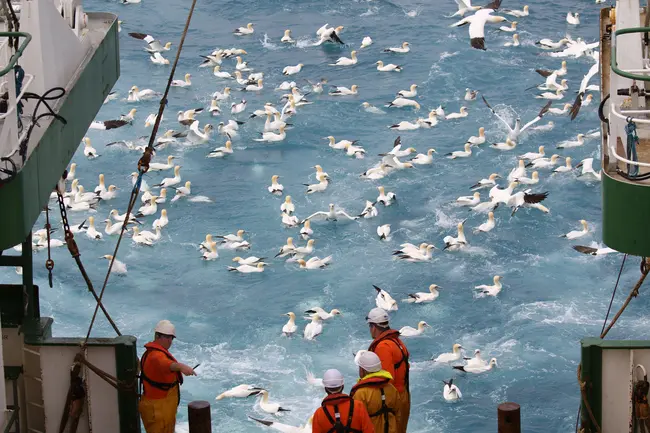
This work programme supports the sustainable development of Ireland’s aquaculture sector while ensuring the protection of marine biodiversity within Natura 2000 sites. It integrates Appropriate Assessment (AA), ecological monitoring, targeted research, and scientific expertise to inform evidence-based licensing and management of aquaculture activities in Special Protection Areas (SPAs) and Special Areas of Conservation (SACs). The work programme contributes directly to the implementation of the EU Habitats and Birds Directives by ensuring that aquaculture activities are assessed, monitored, and managed in line with conservation objectives for protected habitats and species.